This is default featured post 1 title

Go to Blogger edit html and find these sentences.Now replace these sentences with your own descriptions.

This is default featured post 2 title

Go to Blogger edit html and find these sentences.Now replace these sentences with your own descriptions.

This is default featured post 3 title

Go to Blogger edit html and find these sentences.Now replace these sentences with your own descriptions.

This is default featured post 4 title

Go to Blogger edit html and find these sentences.Now replace these sentences with your own descriptions.

This is default featured post 5 title

Go to Blogger edit html and find these sentences.Now replace these sentences with your own descriptions.

Friday, 14 July 2023

Our The Best Little The Rabbits

White Rabbit

I' M YOUR RABBIT

Rabbits are small mammals that belong to the family Leporidae, and they are known for their long ears, fluffy tails, and hopping locomotion. They are herbivores and are found in various parts of the world, both in the wild and as domesticated pets.

  • Information about rabbits

Physical Characteristics

 Rabbits typically have a compact body, short tails, and long, sensitive ears. They have strong hind legs adapted for hopping and burrowing. Most rabbits have soft fur, which can vary in color, pattern, and length depending on the species and breed.

Habitat

Wild rabbits can be found in diverse habitats such as forests, grasslands, deserts, and wetlands. They create burrows or nests for shelter and protection. Domesticated rabbits are commonly kept as pets and can be found in households worldwide.

Diet

Rabbits are herbivores, primarily feeding on grasses, leafy plants, vegetables, and sometimes bark or twigs. They have specialized digestive systems that allow them to extract nutrients from plant material efficiently.

Behavior

 Rabbits are social animals and can be found in groups called colonies or warrens. They are crepuscular, meaning they are most active during dawn and dusk. Rabbits communicate through body language, vocalizations, and scent marking.

Brown Rabbit

Reproduction

 Rabbits are known for their high reproductive rates. They are capable of breeding at a young age and have short gestation periods. Female rabbits are called does, and males are called bucks. A group of baby rabbits is referred to as a litter.

Popular Breeds

There are numerous rabbit breeds, each with its own characteristics, size, and appearance. Some popular breeds include the Dutch, Netherland Dwarf, Mini Rex, Lionhead, and Flemish Giant.

Cultural Significance

Rabbits hold cultural significance in various societies. They are often associated with fertility, and luck, and play prominent roles in folklore, literature, and children's stories. The Easter Bunny, for example, is a well-known symbol associated with Easter celebrations.

Gray -Brown Rabbit

The history of rabbits is intertwined with human civilization in various ways.

  • here's an overview of the rabbit's history 

Ancient Origins

Rabbits have a long history dating back thousands of years. The earliest known rabbit fossils have been found in Europe and date back to the Paleolithic era. These fossils indicate that rabbits have been present on Earth for millions of years

Domestication

The domestication of rabbits began around the 5th century BC in ancient Rome. Initially, rabbits were primarily raised for their fur and meat. Romans and Greeks kept rabbits in specially constructed enclosures called "leporaria."

Medieval Period

 During the medieval period in Europe, rabbits became increasingly popular as a food source. Monasteries played a significant role in rabbit farming, as they raised rabbits within their walls. Monks introduced selective breeding techniques to improve rabbit breeds for meat production.

Spread to the Americas 

The domesticated rabbit made its way to the Americas through European colonization. European settlers brought rabbits on ships to provide a sustainable food source during their journeys. Some rabbits escaped or were released, leading to the establishment of wild populations in North and South America.

Role in Science

 Rabbits have played a crucial role in scientific research, particularly in the field of genetics. In the early 20th century, geneticist Gregor Mendel used rabbits to study inheritance patterns and develop his principles of heredity.

Rabbits as Pets

 In the 19th century, rabbits started gaining popularity as pets. Selective breeding led to the development of different rabbit breeds with diverse coat colors, patterns, and sizes. Today, rabbits are commonly kept as companion animals due to their docile nature and adaptability.

Threats to Wild Populations

 While rabbits thrive in many parts of the world, some wild populations have faced challenges. Diseases such as myxomatosis and rabbit hemorrhagic disease have had significant impacts on wild rabbit populations in certain regions.

Wednesday, 12 July 2023

Let's Meet Goat

White Goat

ABOUT THE GOAT

A goat is a mammal belonging to the Bovidae family. It is primarily domesticated for its milk, meat, and fiber. Goats are commonly found in various parts of the world, and they have been domesticated for thousands of years.

Some characteristics and facts about goats:

Appearance: Goats are small to medium-sized animals with a sturdy build. They typically have a pair of curved horns, a short tail, and a distinctive beard on their chin. Their coat can vary in color and pattern, depending on the breed.

Breeds: There are numerous goat breeds, each with its unique characteristics and purposes. Some common breeds include the Boer, Alpine, Nubian, Saanen, and Nigerian Dwarf. Each breed has its advantages, such as high milk production, meat quality, or adaptation to specific climates.

Diet: Goats are herbivores and mainly feed on plants. They are known for their browsing behavior, meaning they prefer to eat leaves, twigs, and shrubs rather than grazing on grass. However, goats can adapt to various diets and consume a wide range of vegetation.

Behavior: Goats are generally social animals and often live in herds. They are agile climbers and can scale steep terrain with ease. Goats are known for their curiosity and intelligence. They are also known to be excellent escape artists due to their ability to squeeze through small openings and their agile nature.

White Goat

Uses: Goats have diverse uses. They are primarily raised for milk production, which is used to make various dairy products such as cheese, yogurt, and butter. Goat meat, commonly known as mutton, is also consumed in many parts of the world. Additionally, goats are valued for their fiber, especially the luxurious and fine cashmere wool.

Benefits: Goats have several environmental and agricultural benefits. They are adept at clearing overgrown vegetation and can be employed for land management and weed control. Goats are also relatively efficient in converting vegetation into milk and meat compared to some other livestock animals.

Symbolism and Cultural Significance: Goats have been featured in mythology, folklore, and religious traditions in various cultures. They symbolize fertility, agility, independence, and adaptability. In some cultures, goats are considered sacred or associated with specific deities or zodiac signs.

Black Goat

Milk and dairy products: Goat milk is consumed by many people worldwide and is considered nutritionally similar to cow's milk. It is often used to produce various dairy products such as cheese, yogurt, and butter.

Meat: Goat meat, commonly referred to as "mutton" in some regions, is consumed in many cultures. It is lean, tender, and has a distinctive flavor. Goat meat is often used in various traditional dishes and cuisines.

Fiber: Certain breeds of goats, such as the Angora and Cashmere, are specifically raised for their fiber. Mohair comes from Angora goats, while Cashmere wool is obtained from Cashmere goats. These fibers are highly valued for their softness and are used in the textile industry.

Environmental impact: Goats are considered to be good grazers and can help control vegetation and reduce the risk of wildfires in certain ecosystems. However, overgrazing can also have negative impacts on the environment if not managed properly.

It's worth noting that while goats can make great pets and provide various resources, responsible ownership, and proper husbandry practices are essential to ensure their well-being and minimize environmental impacts.

Overall, goats are versatile animals with economic, agricultural, and cultural significance. They are appreciated for their milk, meat, fiber, and their ability to adapt to different environments.


Tuesday, 11 July 2023

The Wild Welfare Animals

Animal Matter To Me

The term "buffalo" is commonly used to refer to two distinct species of large, hoofed mammals: the African buffalo (Syncerus caffer) and the American bison (Bison bison). Here's some information about each of these animals:

African Buffalo (Syncerus caffer):

African buffalos, also known as Cape buffalos, are native to sub-Saharan Africa.
They are large, robust animals with a shoulder height of around 1 to 1.7 meters (3.3 to 5.6 feet) and a weight ranging from 500 to 900 kilograms (1,100 to 2,000 pounds).
They have a dark brown or black coat that is sparse and bristly, with large, curved horns that are fused at the base, forming a continuous "boss" across the forehead.
African buffalos are primarily herbivorous, feeding on grasses and occasionally consuming leaves and shrubs.
They are known for their social behavior and live in large herds, often consisting of hundreds or even thousands of individuals.
African buffalos are considered one of the "Big Five" game animals and are found in various habitats, including grasslands, woodlands, and swamps.
American Bison (Bison bison):


Buffalo


American bison, also known as American buffalo, once roamed across the vast grasslands of North America.
They are large, powerful animals with a shoulder height of around 1.5 to 2 meters (4.9 to 6.6 feet) and a weight ranging from 400 to 900 kilograms (880 to 2,000 pounds).
They have a shaggy, dark brown coat that can appear lighter in color during the summer months, and both males and females have horns that curve outward and upward.
American bison are herbivorous, primarily grazing on grasses, sedges, and other vegetation.
They typically form smaller social groups called "herds," consisting of females, their offspring, and a dominant male.
American bison played a significant role in the history and culture of Native American tribes and are recognized as the national mammal of the United States.
Both African buffalos and American bison are magnificent creatures that have captured the fascination of people around the world.


Buffalo

The history of buffalo, specifically the American bison, is deeply intertwined with the indigenous peoples of North America and the expansion of European settlers across the continent.

Indigenous Peoples and the Buffalo: For thousands of years, indigenous peoples in North America relied on buffalo for their survival. They developed complex relationships with these animals, utilizing nearly every part of the buffalo for food, clothing, shelter, and tools. Buffalo provided a sustainable source of sustenance and played a central role in the cultural and spiritual practices of many Native American tribes.   


Buffalo


Impact of European Colonization: With the arrival of European settlers in the 16th century, the buffalo's fate dramatically shifted. As settlers moved westward, they sought to control the land and resources, including the buffalo. The mass hunting and extermination of buffalo began as a deliberate strategy to undermine the livelihood and culture of indigenous peoples, as well as to clear the land for agricultural purposes and the expansion of railroads.

Buffalo Population Decline: The systematic hunting of buffalo, both for their hides and to weaken indigenous populations, led to a severe decline in their numbers. By the late 19th century, the once-thriving herds of tens of millions of buffalo had been reduced to a few hundred individuals. The decimation of the buffalo population had significant ecological, cultural, and economic consequences.

Conservation and Recovery: Recognizing the ecological importance of the buffalo and the cultural significance it held for indigenous communities, efforts were made to conserve and restore the species. Conservationists, Native American tribes, and government agencies worked together to protect remaining herds, establish reserves, and reintroduce buffalo to their former habitats.

Current Status: Today, the American bison population has experienced a modest recovery, thanks to conservation efforts. While not reaching historical population levels, there are now several thousand bison in protected areas and on private lands. The buffalo continues to hold symbolic value as a symbol of the American West, and many tribes are actively involved in buffalo restoration and management initiatives.

The history of the buffalo serves as a reminder of the complex relationship between humans, wildlife, and the land, as well as the ongoing efforts to protect and restore species that are deeply tied to the cultural and ecological fabric of a region.

Sunday, 9 July 2023

A Morning With Cattle

The Cows

Brown Cow
Cows, scientifically known as Bos taurus, are large domesticated animals that are widely raised for their meat, milk, and other products. They are members of the bovine family and are commonly found in agricultural settings around the world.

Cows are herbivorous animals, meaning they primarily feed on plant materials such as grass, hay, and silage. They have a complex digestive system that allows them to break down and extract nutrients from plant cellulose.

Cattle have been domesticated for thousands of years, and different breeds have been selectively bred for specific purposes. Some breeds are specifically raised for beef production, while others are raised for dairy production. There are also dual-purpose breeds that can provide both meat and milk.

In beef production, cows are typically raised on pasture and may be supplemented with grain or other feed to promote growth and improve meat quality. Once they reach a certain age and size, they are sent to slaughter for their meat.

In dairy production, cows are milked regularly to produce milk, which is then processed into various dairy products such as milk, cheese, butter, and yogurt. Dairy cows are often kept in barns or on pasture and are bred to maximize milk production.

Black Cow
Cows are social animals that typically live in herds and exhibit a hierarchical structure. They communicate through various vocalizations and body language. They have a gestation period of about nine months, and female cows, called cows or heifers, give birth to calves.

Cows play a significant role in agriculture and provide essential resources to humans. Apart from meat and milk, they also provide by-products such as leather, gelatin, and fertilizers.

It's worth noting that the environmental impact of large-scale cattle farming, particularly in terms of greenhouse gas emissions and land use, has raised concerns regarding sustainability. Efforts are being made to develop more sustainable and environmentally friendly practices in the cattle industry.
Animal welfare standards, regulations, and ethical considerations play a crucial role in ensuring the well-being of cows in agricultural practices.

Yellow- Brown Cow
Anatomy: Cows have a large, herbivorous digestive system that allows them to efficiently extract nutrients from plant material. They have a multi-chambered stomach, with the largest chamber called the rumen, where microbial fermentation takes place.

Behavior: Cows are generally social animals and tend to form herds or groups. They have a natural inclination to graze on grass and other plant material. Cows also have a unique vocalization, called lowing, which they use for communication.

Environmental Impact: Cattle farming can have environmental implications, primarily related to land use, water consumption, and greenhouse gas emissions. Sustainable farming practices and efficient resource management are important for minimizing the environmental impact of cattle production.

Cultural Significance: Cows hold cultural significance in various parts of the world. They are considered sacred in certain religions, such as Hinduism, and play a role in cultural practices and festivals in different regions.

Overall, cows are important domesticated animals that contribute to food production, particularly in terms of meat and dairy. They have a rich history in human culture and continue to play a vital role in agriculture and food systems worldwide.

Saturday, 8 July 2023

Life Is Short But Snakes Are Long

The Snakes House

A "green snake" typically refers to a snake species that has predominantly green coloration. There are several snake species that exhibit shades of green, which can vary in intensity and pattern. Here are a few examples:

Green Tree Python (Morelia viridis): This arboreal snake species is known for its vivid green coloration. It has a slender body, and large eyes, and can be found in the rainforests of New Guinea and surrounding areas.

Rough Green Snake (Opheodrys aestivus): Found in North America, the Rough Green Snake is a non-venomous species known for its bright green color. It has a slender body and is often found in trees, shrubs, and grassy areas.

Asian Vine Snake (Ahaetulla nasuta): This snake species, found in Southeast Asia, has a long, slender body and is known for its green coloration with white or yellow spots. It is an arboreal species that feeds on lizards and frogs.

Green Cat Snake (Boiga cyanea): Found in parts of Southeast Asia, the Green Cat Snake has a slender body and is typically green in color. It is a nocturnal species that primarily preys on birds and rodents.

It's important to note that while some green snakes are harmless, others may be venomous. It's always best to exercise caution and avoid handling snakes unless you are knowledgeable and trained in snake identification and handling.

Green Snake


"Black snake" is a broad term that can refer to several different snake species with predominantly black or dark coloration. It is essential to note that the term "black snake" is not specific to a particular species and can vary depending on the region. Here are a few examples of snake species that are commonly referred to as black snakes:

Eastern Black Rat Snake (Pantherophis alleghaniensis): Found in eastern North America, the Eastern Black Rat Snake is a non-venomous snake species known for its black coloration. It can grow quite long and is an excellent climber.

Black Mamba (Dendroaspis polylepis): The Black Mamba is a highly venomous snake species found in Africa. Despite its name, its coloration is not completely black, but rather dark brown to olive-gray. It is known for its speed and potent venom.

Black Racer (Coluber constrictor): Black Racers are non-venomous snakes found in various parts of North America. They are slender, fast-moving snakes with shiny black scales and white or yellowish chin scales.

Black-headed Python (Aspidites melanocephalus): Native to Australia, the Black-headed Python is a non-venomous snake species with a predominantly black body and a distinctively black head. It has a thick and robust body and is known for its feeding habits, which primarily consist of small mammals.

It's important to exercise caution and avoid approaching or handling snakes unless you are knowledgeable about snake identification and have the necessary expertise. If you encounter a snake and are unsure of its species or behavior, it's best to observe it from a safe distance and contact local wildlife authorities for guidance.

Black Snake


"golden snake," it can be understood in a few different ways. The term might describe a snake species that has a golden or yellowish coloration, or it could be associated with a specific snake with "golden" in its common name. Here are a couple of examples:

Golden Lancehead (Bothrops insularis): The Golden Lancehead is a venomous pit viper species that is endemic to Ilha da Queimada Grande (Snake Island) off the coast of Brazil. While its name includes "golden," it refers to the coloration of its head rather than its entire body.

Golden Tree Snake (Chrysopelea ornata): The Golden Tree Snake, also known as the Ornate Flying Snake, is a slender, mildly venomous snake found in Southeast Asia. It typically exhibits a bright green coloration on its upper body, but its underside can have a yellowish or golden hue.


Golden Snake

Choose Your Favorite Dogs

Dog's Magazines

German Shepherds
German Shepherds are large-sized dogs with a strong and muscular build. They have a noble and intelligent expression. Their double coat is typically medium to long in length, with a dense undercoat and a straight or slightly wavy outer coat. German Shepherds come in various color patterns, including black and tan, sable, and solid black., is a highly popular and versatile dog breed that originated in Germany. They are quick learners and excel in various activities, including obedience, agility, tracking, and protection work. German Shepherds are known for their loyalty, courage, and protective instincts. Their keen sense of smell, intelligence, and athleticism make them well-suited for these roles.
German Shepherds are beloved worldwide for their versatility, intelligence, and loyalty. They can thrive in various environments, but they require proper training, socialization, and an active lifestyle to be happy and well-adjusted companions.
German Shepherds are not only popular working dogs but also make wonderful family pets when provided with proper training, socialization, and a loving environment.

American Bulldog
The American Bulldog is a medium to large-sized breed that originated in the United States. American Bulldogs have a strong and muscular build. They have a broad head with a square-shaped muzzle and a pronounced underbite. Their ears can be either cropped or left natural, and their coat is short and dense.
American Bulldogs are known for their loyalty and protective nature. They are generally confident, courageous, and assertive dogs. They form strong bonds with their families  American Bulldogs can be wary of strangers, making them natural guard dogs. They enjoy activities such as long walks, jogging, playing fetch, and engaging in interactive games.
American Bull Dog some common health concerns in American Bulldogs include hip and elbow dysplasia, allergies, skin infections, and certain genetic conditions. 
They can be good with children when raised in a family environment, but supervision is always necessary, especially with younger children due to their size and strength. Early socialization with other animals is also important.


Golden Retriever
The Golden Retriever is a popular and well-loved dog breed known for its friendly and gentle nature.  Golden Retrievers are medium to large-sized dogs with strong, well-balanced body. They have a dense and water-repellent double coat, which comes in various shades of gold. Their friendly and intelligent eyes are typically dark brown. Golden Retrievers are renowned for their friendly and gentle temperament. They are known to be patient, kind, and highly sociable. They are generally good with children and other animals, making them great family pets. Golden Retrievers tend to be trustworthy and dependable companions, often displaying loyalty and devotion to their families. Golden Retrievers are highly intelligent dogs and are ranked among the most trainable breeds. They have a strong desire to please their owners, making them quick learners. Retrievers are an active breed that requires regular exercise to maintain their physical and mental well-being. They enjoy activities such as long walks, playing fetch, swimming, and engaging in interactive games.  Retrievers include hip and elbow dysplasia, certain types of cancer, heart conditions, and allergies. Golden Retrievers have a reputation for being loving and loyal family pets. 
 The lifespan of a dog can vary depending on factors such as breed, size, and overall health. On average, dogs live around 10 to 15 years, They provide unconditional love and are known for their ability to improve the overall well-being of their owners. They come in a wide variety of breeds, each with its own unique characteristics, appearances, and temperaments. 

Friday, 7 July 2023

The Conscious Club Cats

Wild Cats & Wild Life

A wild cat typically refers to a species of feline that lives in the wild, as opposed to domesticated cats that live with humans. There are several species of wild cats around the world, each with its own unique characteristics and habitats. They are popular pets and are valued for their companionship, playful nature, and independent behavior. 
Cats communicate through a combination of vocalizations, body language, and scent marking. They meow to communicate with humans, but they use various vocalizations like purring, hissing, growling, and chirping to communicate with other cats. On average, cats live between 12 and 16 years,  Cats are known for their independent nature.


Brown- white Cat

The tiger (Panthera tigris) is the largest living cat species and a member of the genus Panthera. it is most recognizable for its dark vertical strips of orange fur with a white underside and for apes predator it primarily prayers on ungulates, such as deer and wild boar. and the many types of tiger cats like Toyger, ocicat, and Cheetah.
Brown Cat

Physical Characteristics: Cats have compact and muscular body with soft fur. They typically have a flexible spine, sharp retractable claws, and keen senses, including excellent night vision and hearing.

Colors and Variations: Tiger cats can come in various colors, including brown, black, silver, or gray. They may have additional color variations, such as orange, cream, or white, combined with the tabby pattern.

Habitats: Wild cats can be found in various habitats, including forests, grasslands, savannas, mountains, and deserts.

A bicolor cat, also known as a piebald cat, is a cat with a coat consisting of one primary color combined with any amount of white. The amount of white can range from only a tiny streak to nearly the entire coat. The cream and white bicolor cat is the rarest of the bicolours, while the black and white or "blue" (grey) and white are the most common. tuxedo cats can be either male or female.

black Cat

Cats are small carnivorous mammals that have been domesticated for thousands of years. They are popular pets around the world and have a special place in human society. Cats have a long history of coexistence with humans and have become cherished companions. Their unique behaviors, playful nature, and ability to form strong bonds with their owners have made them beloved animals around the world.


Thursday, 6 July 2023

My favorite Wild Animal Stories

Wild Animals

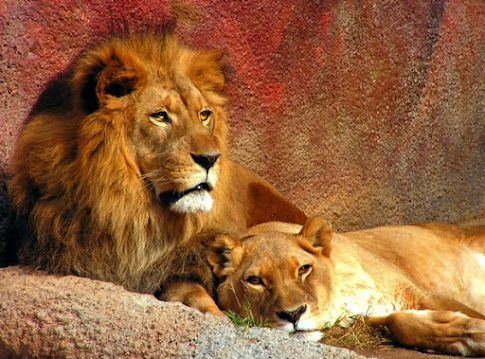
The Lion belongs to a family of cats, and it is a large and strong wild animal. It is one of the strongest animals in the forest. the lion is known as the king of the jungle. it is famous for its hunting ability. the lion's body is covered with smooth, small ochre yellow hair. the lion eats flesh and hence, it is a  carnivore. its teeth and claws are very sharp. Lions inhabit grasslands, savannas, and open woodlands. Lions are mostly active during the cooler hours of the day and night. They have well-developed social behaviors, with hunting, resting, and grooming activities often done collectively within the pride. Lions are iconic symbols of strength, power, and bravery, and they hold cultural significance in many societies around the world.

Lion

Social Structure: Lions are the only truly social cats, living in groups called prides.

Hunting and diet: They are skilled hunters and often use teamwork to surround and bring down their prey.

Behavior: They are most active during the early morning and evening hours, spending the rest of the day resting and conserving energy.

Horse

A horse is a large, hoofed mammal belonging to the Equidae family. Horses have been domesticated by humans for thousands of years and have played significant roles in transportation, agriculture, warfare, and recreational activities. Here are some key facts about horses:

Anatomy:  They have excellent balance and coordination, allowing them to run at high speeds.

Breeds: There are numerous horse breeds with varying characteristics, sizes, and purposes. Each breed has its own unique traits and abilities.

Behavior: Horses are highly social animals that typically live in herds. They communicate through body language, vocalizations, and facial expressions. Horses are prey animals, so they have developed keen senses and flight responses to potential threats.

Domestication: They have been used for transportation, plowing fields, carrying loads, and as companions and sports animals.

Riding and Equestrian Sports: Horses are commonly ridden for recreational purposes and participate in various equestrian sports such as show jumping, dressage, eventing, and horse racing.


Frog

A Frog has smooth, moist skin and big, bulging eyes. its hind legs are more than twice as long as its front ones,. Most frogs have webbes back feet to help them leap and swim tree frogs have sticky disks on the tips of their fingers and toes. 
Frogs are amphibians that belong to the order Anura. They are known for their unique life cycle, featuring a transition from aquatic tadpoles to terrestrial adults. Here are some key facts about frogs: Forg diet most frogs are carnivorous and feed on a variety of small invertebrates such as insects, spiders, worms, and even smaller frogs. They catch prey by flicking out their sticky tongues and retracting them quickly. Frogs have long fascinated humans with their unique biology and behaviors. many people appreciate their beauty and their role in keeping ecosystems balanced.
Frog-webbed feet for swimming. They possess smooth, moist skin that helps them breathe through their skin. They have bulging eyes positioned on the sides of their head and a specialized vocal sac that allows them to produce a variety of calls and sounds.

Sheep Welfare animals are soul: Understanding Sheep Behavior

People For Animals Texel is a breed of sheep known for its excellent meat quality and high growth rate. It is named after the island of Texe...

Twitter Delicious Facebook Digg Stumbleupon Favorites More